The end of “eco-friendly”: new EU rules on green claims
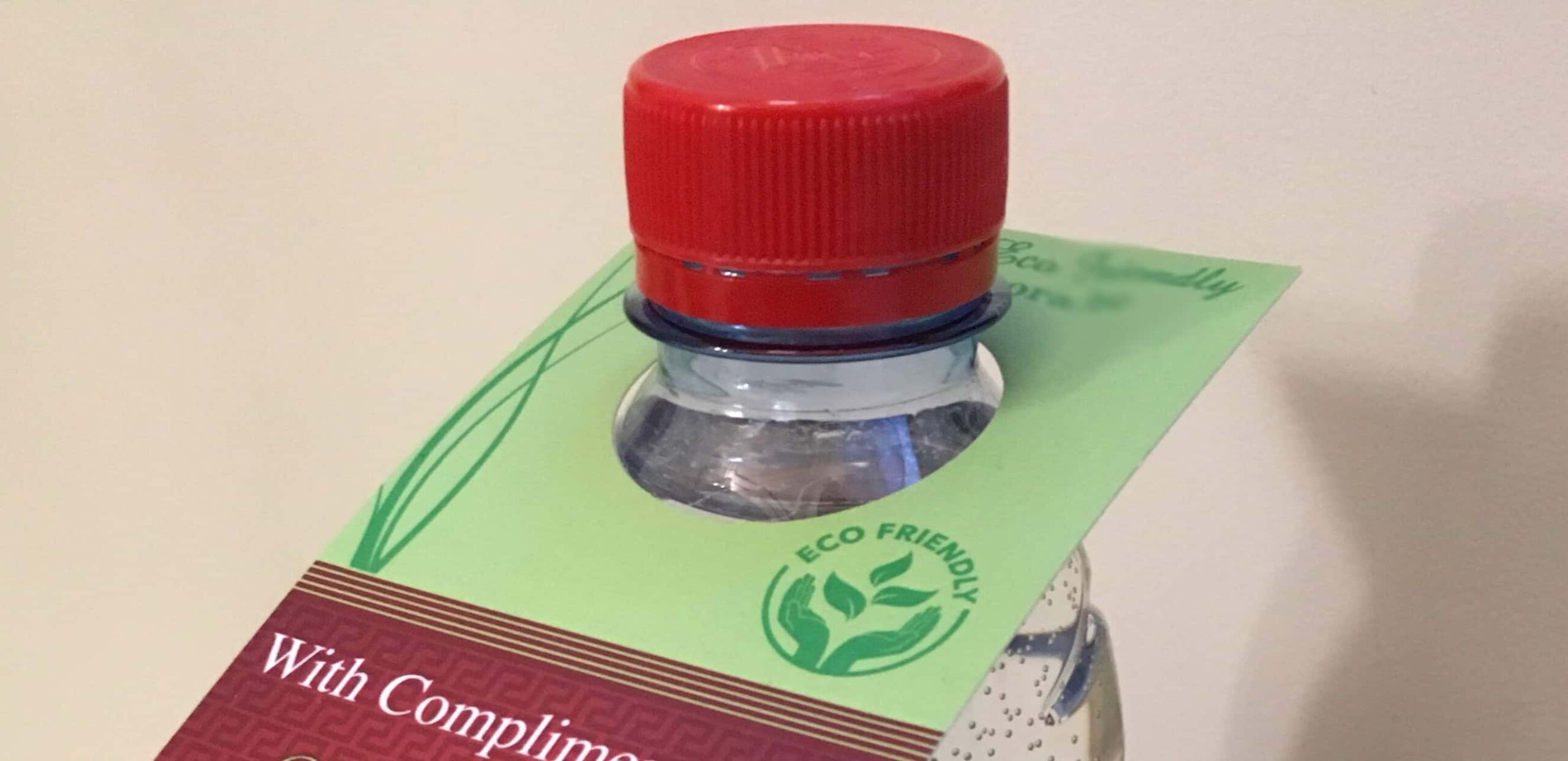
“Eco-friendly festival”, “climate-neutral conference”, “green hotel”: since 27 September 2026, claims like these can get you into trouble. New EU rules against greenwashing apply from that date. Here is what event organisers and tourism businesses need to know, and how you can still talk about your sustainability work with confidence.
Do you promote your event or your business as sustainable? Then you have probably used words like “green”, “eco” or “climate-friendly” at some point. For years, nobody checked. That has changed. With Directive (EU) 2024/825, often called the Empowering Consumers Directive, the EU has tightened the rules on environmental claims towards consumers. The aim is simple: claims must be true, specific and backed by evidence.
The good news: if you really work on sustainability, you have nothing to fear. You just need to say what you do, rather than how good you are.
What has changed?
The directive adds several practices to the EU list of commercial practices that are always considered unfair towards consumers. Four of them are particularly relevant for events and tourism:
- Generic environmental claims such as “eco-friendly”, “green”, “climate-friendly” or “environmentally friendly” are no longer allowed, unless you can show recognised excellent environmental performance, for example through the EU Ecolabel or an officially recognised national ecolabel.
- Climate neutrality through offsetting: you may no longer claim that your event, tour or overnight stay is “climate-neutral”, “CO2-compensated” or has a reduced impact on the climate because you have bought offsets.
- Home-made labels: sustainability labels that are not based on a certification scheme or established by public authorities are prohibited. A self-designed “green event” badge on your website is no longer an option.
- Future promises: statements such as “net zero by 2030” need a detailed, realistic and publicly available plan with measurable targets, regularly verified by an independent third-party expert.
The rules apply to communication towards consumers: your website, ticket shop, social media, brochures and advertising. Communication that is aimed purely at other businesses falls outside this directive, but other rules on misleading advertising still apply there.
What is still allowed?
A lot. The directive does not ban talking about sustainability. It bans vague and unproven claims. A claim is no longer generic when you explain it clearly and prominently in the same place. Compare:
- Not allowed: “A green festival.”
- Allowed, if true and documented: “All food at the festival is vegetarian, and 70 per cent of our visitors arrived by public transport last year (visitor survey 2026).”
- Not allowed: “Our conference is climate-neutral.”
- Allowed, if true and documented: “We measured the conference’s greenhouse gas emissions. Travel accounts for 85 per cent of them, so we chose a venue next to the train station and offer a train ticket discount.”
You may still support climate projects. You just cannot use them to claim that your event or service has no impact or a reduced impact on the climate.
Sustainability labels remain allowed, as long as they are based on a certification scheme with independent third-party verification and publicly available requirements, or are established by public authorities. This is one of the reasons why independent certification has become more important.
Five questions to check your own communication
1. Is the claim specific?
Replace general words like “green” or “sustainable” with what you actually do: what, how much, since when.
2. Can you prove it?
For every claim, ask yourself: could I show a document, a figure or a receipt tomorrow if someone asked? If not, leave it out.
3. Does it cover the whole thing, or only a part?
If only your catering is plant-based, do not call the whole event sustainable. Say what applies to which part.
4. Is offsetting doing the work?
If a claim about your climate impact only holds because of purchased offsets, remove it. Talk about the emissions you have avoided and reduced instead.
5. Where does your label come from?
Check every logo and badge on your website and in your materials. Is it based on a real certification scheme or established by a public authority? If you designed it yourself, take it down.
Our advice: honesty is the best marketing
Many organisers and tourism businesses do excellent work but describe it badly, with big words and little substance. The new rules are a good opportunity to change that. Concrete facts are more convincing than slogans anyway. Guests, visitors and partners increasingly want to know what is really behind a claim, and they notice when there is nothing.
Start by going through your website and your next event invitation with the five questions above. You will probably find a few sentences to rewrite. That is a small effort for a lot more credibility.
Further reading
- Directive (EU) 2024/825 on empowering consumers for the green transition (EUR-Lex)
- European Commission: Questions and answers on the directive
This article gives general information and is not legal advice. How the rules apply in your case can depend on national law and the specific claim.